

Prenatal Hand Expression & Colostrum Collection: What Expecting Parents Should Know
Preparing for your baby’s arrival often includes creating a birth plan, setting up the nursery, and packing your hospital bag—but many parents don’t realize you can also prepare for feeding before baby arrives.
Prenatal hand expression and colostrum collection can help families feel more confident, informed, and supported during those first days postpartum.
If you’ve heard terms like “liquid gold,” “first milk,” or “colostrum harvesting” and aren’t sure where to start, you’re not alone. Here’s what you need to know about safely collecting colostrum during pregnancy and why scheduling a prenatal lactation consultation can make a major difference in your feeding journey.

What Is Colostrum?
Colostrum is your body’s very first milk. It’s a thick, nutrient-rich milk produced during pregnancy and in the early days after birth before mature milk transitions in.
Often called “liquid gold,” colostrum is packed with:
antibodies,
immune protection,
concentrated nutrition,
and gut-supportive properties for newborns.
Even very small amounts can be incredibly beneficial for babies.
What Is Prenatal Hand Expression?
Prenatal hand expression is the process of gently expressing and collecting colostrum during late pregnancy, usually beginning around 36–37 weeks when approved by your healthcare provider.
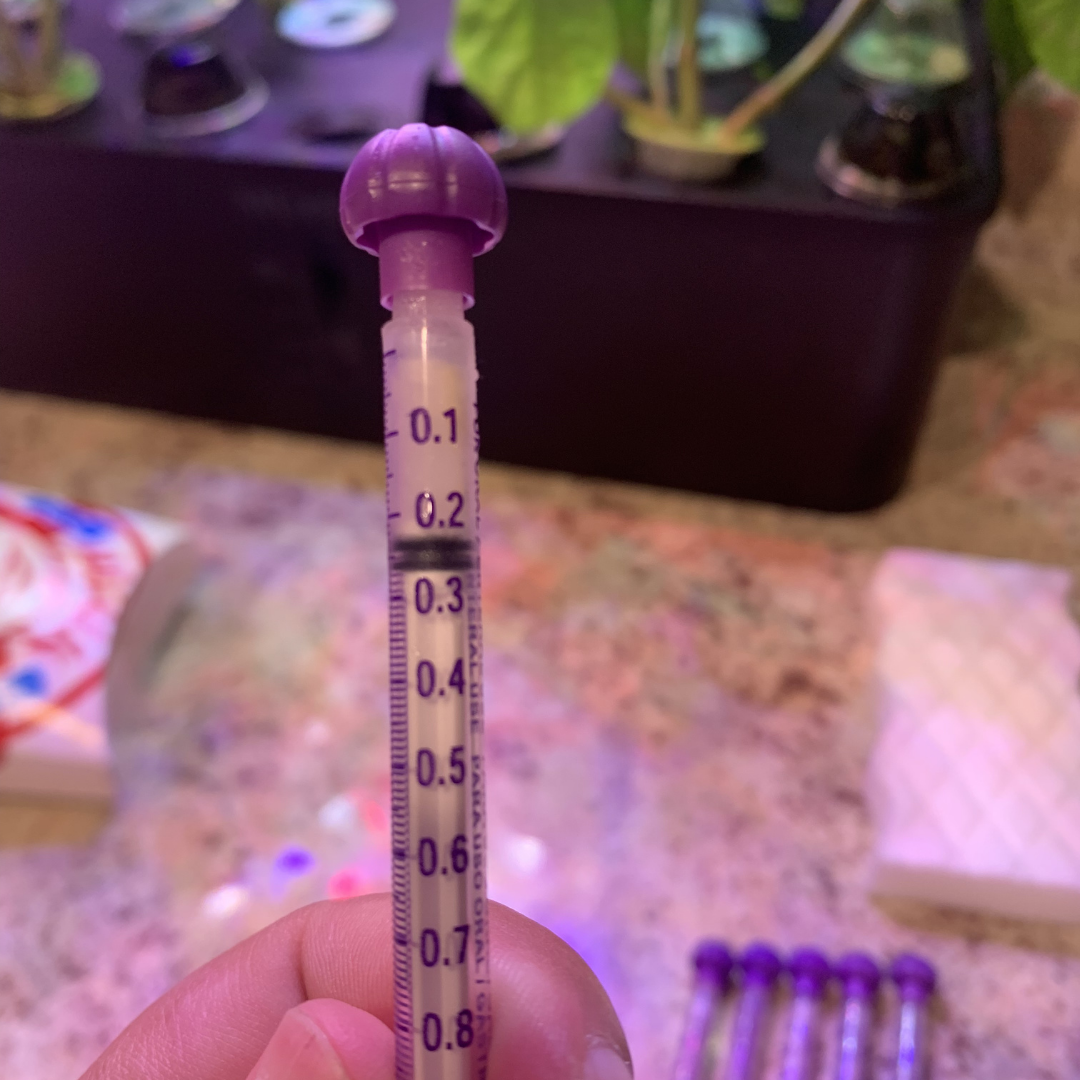
Collected colostrum is typically stored in small syringes and frozen until birth. Families can bring the frozen colostrum to the hospital or birth center to use if needed after delivery.
This process is done by hand—not with a breast pump—and should always be approached gently and with guidance.
Why Do Parents Collect Colostrum Before Birth?
Every family’s feeding journey is unique, but prenatal colostrum collection may be especially helpful for:
parents with gestational diabetes,
planned cesarean births,
multiples,
history of low milk supply,
previous breastfeeding challenges,
babies expected to need extra feeding support,
or families simply wanting additional peace of mind.
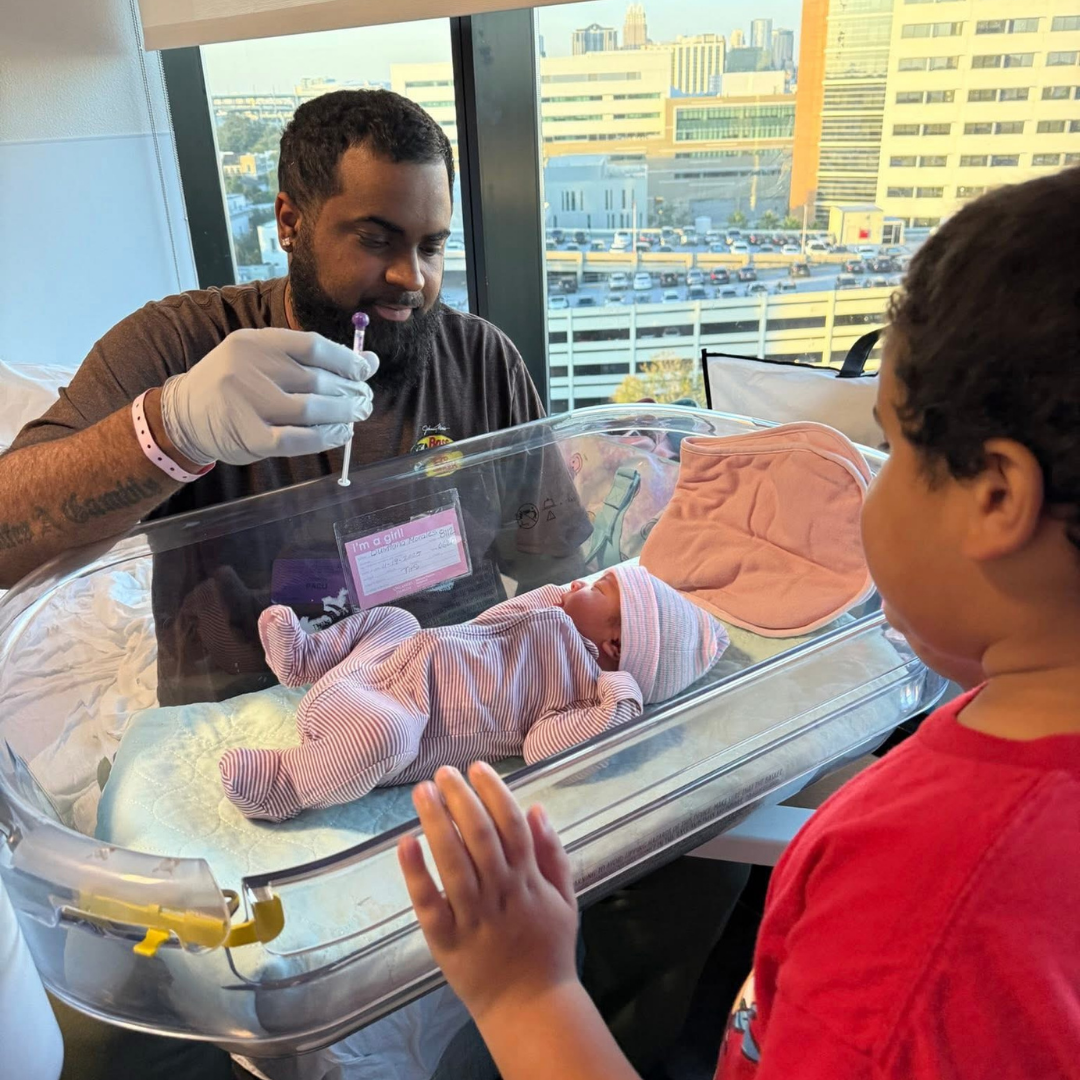
Having stored colostrum available after birth can sometimes reduce stress during those early postpartum hours.
Benefits of Prenatal Colostrum Collection
1. Builds Confidence Before Baby Arrives
Many parents feel anxious about feeding. Learning hand expression during pregnancy can help you feel more prepared and connected to your feeding goals before delivery.
2. Helps You Learn Your Body
A prenatal lactation session allows you to practice hand expression techniques in a calm, supportive setting rather than trying to learn everything while recovering postpartum.
3. Provides Backup Milk If Needed
In some situations, babies may need supplementation early on. Having your own stored colostrum available can provide reassurance and support feeding plans.
4. Creates Early Lactation Support
Prenatal education is one of the most overlooked ways to improve breastfeeding outcomes. Early support often helps families avoid common challenges before they become overwhelming.
Is Prenatal Hand Expression Safe?
For many low-risk pregnancies, prenatal hand expression may be safe beginning in late pregnancy—but every situation is different.
You should always discuss colostrum collection with your healthcare provider and work with a qualified lactation professional before beginning.
Prenatal hand expression may not be appropriate for everyone, particularly in pregnancies with certain medical or preterm labor concerns.
Why Schedule a Prenatal Lactation Consultation?
One of the biggest myths about breastfeeding is that support starts after baby arrives.
In reality, prenatal lactation consultations can dramatically improve confidence, reduce anxiety, and help families create realistic feeding plans before delivery.
During a prenatal lactation consultation, we can:
discuss your feeding goals,
review your medical and breastfeeding history,
teach safe hand expression techniques,
help you understand normal newborn feeding,
assist with flange sizing and pump planning,
and answer questions before baby arrives.
Families often leave feeling calmer, more prepared, and more empowered entering postpartum.
What to Expect During a Prenatal Lactation Visit
Our prenatal consultations are designed to be supportive, personalized, and judgment-free.
Together, we’ll cover:
breastfeeding basics,
colostrum collection education,
newborn feeding expectations,
latch preparation,
pumping questions,
returning-to-work planning,
and practical strategies for the early postpartum period.
You’ll also receive guidance on safely storing and transporting collected colostrum.
Supporting Families Through the Fourth Trimester
Feeding a newborn can feel overwhelming—but you do not have to figure it out alone.
Whether you’re hoping to breastfeed, pump, combination feed, or simply learn more about your options, prenatal education can help lay the foundation for a smoother transition into postpartum life.
Small steps during pregnancy can make a big difference later.
Ready to Feel More Prepared for Feeding?
We’d love to support you during pregnancy and beyond.
Schedule a Prenatal Lactation Consultation
Learn about:
prenatal hand expression,
colostrum collection,
breastfeeding preparation,
pump planning,
and newborn feeding support.
📍Serving families in the Orlando area, including Lake Nona and surrounding communities.
Visit our website to book your consultation or learn more.
Parent Resource Library
It All Begins Here
1. What Does a Lactation Consultant Do?
A lactation consultant is a healthcare professional trained to support breastfeeding and infant feeding. They assess feeding from both the parent’s and baby’s perspective, including latch, milk transfer, oral motor skills, positioning, and feeding comfort.
Lactation support can help with pain during feeding, low milk supply, slow weight gain, reflux-like symptoms, pumping challenges, and transitioning between breast and bottle. Advanced lactation consultants may also screen for oral restrictions, infant tension, and developmental concerns that affect feeding.
SEO keywords: lactation support, breastfeeding help, lactation consultant near me, infant feeding support
2. When Should I Seek Infant Feeding Support?
Infant feeding support may be helpful if feeding feels stressful, painful, or confusing. Signs include clicking or leaking during feeds, prolonged feeding sessions, poor weight gain, reflux symptoms, choking or coughing, or frequent unlatching.
Early support can prevent feeding challenges from impacting growth, sleep, and bonding. Infant feeding specialists look beyond volume and schedules to understand how a baby feeds, moves, and regulates.
SEO keywords: infant feeding support, baby feeding problems, breastfeeding difficulties
3. What Is Oral Motor Therapy for Infants?
Oral motor therapy supports the strength, coordination, and function of the muscles of the mouth, jaw, tongue, and face. These muscles play a critical role in breastfeeding, bottle feeding, swallowing, and later speech development.
Oral motor therapy may be recommended for babies with feeding fatigue, poor latch, reflux symptoms, oral tension, or difficulty coordinating suck-swallow-breathe patterns. Therapy is gentle, developmentally appropriate, and often integrated into feeding sessions.
SEO keywords: oral motor therapy, infant oral motor skills, feeding therapy for babies
4. What Is a Tongue Tie and How Does It Affect Feeding?
A tongue tie (ankyloglossia) occurs when the tissue under the tongue restricts movement. This can affect a baby’s ability to latch deeply, transfer milk efficiently, and feed comfortably.
Symptoms may include nipple pain, shallow latch, clicking sounds, reflux-like behaviors, prolonged feeds, or poor weight gain. A comprehensive tongue tie evaluation includes oral function, feeding observation, and whole-body movement—not just visual appearance.
SEO keywords: tongue tie baby, breastfeeding tongue tie, infant feeding issues
5. Do All Tongue Ties Need Treatment?
Not all tongue ties require intervention. The decision depends on function, feeding effectiveness, and family goals. Some babies compensate well, while others benefit from supportive therapies.
A collaborative approach may include lactation support, oral motor therapy, bodywork, and when appropriate, referral for further evaluation. Individualized care helps families make informed, confident decisions.
SEO keywords: tongue tie treatment, infant feeding evaluation
6. What Is Craniosacral Therapy for Infants?
Craniosacral therapy is a gentle, hands-on approach that supports the nervous system and releases tension in the body. For infants, it may help with feeding difficulties, reflux symptoms, head preference, oral tension, and regulation challenges.
Craniosacral therapy works well alongside lactation and feeding support, especially when birth experiences, positioning, or tension impact feeding and comfort.
SEO keywords: craniosacral therapy for infants, baby bodywork, infant regulation
7. How Can Craniosacral Therapy Support Breastfeeding?
Feeding is a full-body activity. Tension in the neck, jaw, diaphragm, or pelvis can affect latch, endurance, and coordination. Craniosacral therapy may help improve comfort, range of motion, and feeding efficiency.
Parents often notice improved latch, calmer feeds, better sleep, and increased regulation when craniosacral therapy is part of a feeding support plan.
SEO keywords: craniosacral therapy breastfeeding, holistic feeding support
8. What Is Occupational Therapy for Infants?
Occupational therapy (OT) for infants focuses on functional skills such as feeding, sensory regulation, motor development, and parent-infant interaction. OT supports how babies move, feed, soothe, and engage with their environment.
Infant OT may help with feeding challenges, sensory sensitivities, developmental delays, and regulation difficulties.
SEO keywords: occupational therapy for infants, infant developmental support
9. When Is Physical Therapy Helpful for Infants and Toddlers?
Physical therapy (PT) supports gross motor development, posture, strength, and coordination. PT may help babies with torticollis, head flattening, delayed milestones, or asymmetrical movement patterns.
Early physical therapy can support feeding by improving alignment, head control, and overall body organization.
SEO keywords: physical therapy for infants, toddler physical therapy, infant motor development
10. How Infant Development Impacts Feeding and Sleep
Infant development and feeding are closely connected. Motor skills, reflex integration, sensory processing, and nervous system regulation all influence how a baby feeds and rests.
Supporting development through feeding therapy, bodywork, and movement-based care can improve feeding efficiency, comfort, and overall family well-being.
SEO keywords: infant development support, feeding and development, baby regulation