
Oral Motor Therapy for Infant Feeding in Orlando: What Parents Should Know
Concerned about tongue tie and feeding? Learn how tongue tie affects infant feeding and when Orlando parents may benefit from expert feeding support.
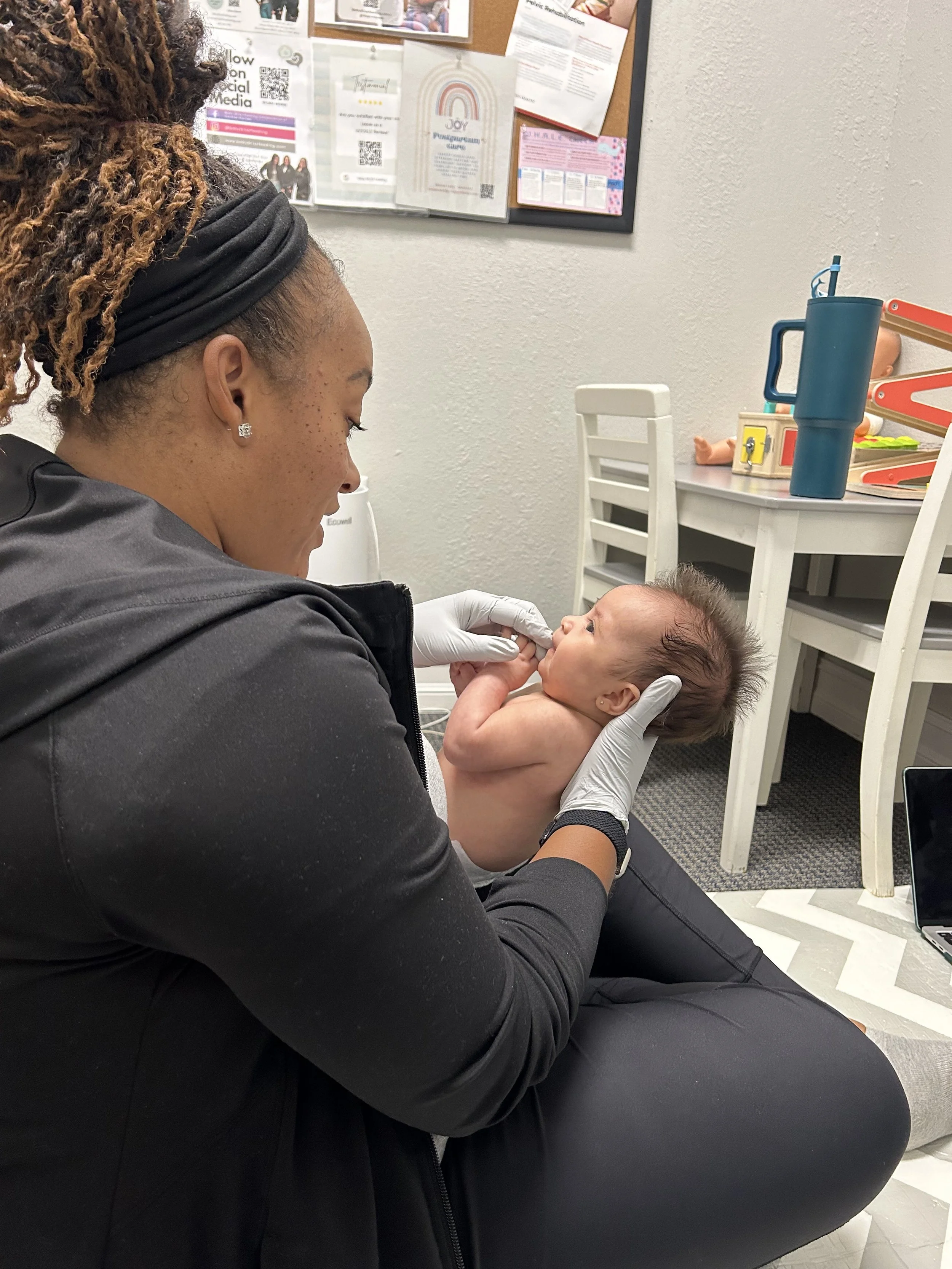
If your baby struggles with latch, milk transfer, or coordination during feeds, oral motor skills may be part of the picture. Many families in Orlando and Lake Nona are surprised to learn that feeding is a complex motor skill involving the tongue, lips, jaw, cheeks, and breath coordination.
Oral motor therapy supports the strength, coordination, and function of these muscles so feeding can feel more comfortable and efficient.
What is Oral Motor Therapy?
Oral motor therapy is a gentle, developmentally appropriate approach that supports how a baby’s mouth moves and functions during feeding. It focuses on improving:
Tongue mobility and coordination
Lip strength and seal
Jaw stability
Suck-swallow-breathe rhythm
Endurance during feeding
Rather than forcing exercises, therapy is integrated into feeding and play in ways that feel natural and supportive for infants.
Signs your baby may benefit from oral motor support:
Families in Orlando often seek oral motor therapy when they notice:
Shallow or inconsistent latch
Clicking or leaking milk during feeds
Difficulty maintaining suction
Frequent choking, coughing, or sputtering
Feeding fatigue
Prolonged feeding sessions
Challenges before or after tongue tie release
These signs can occur with breastfeeding, bottle feeding, or both.
Oral Motor Therapy and Tongue Tie
Tongue mobility plays an important role in feeding, but function matters more than appearance alone. Oral motor therapy can help babies prepare for or recover from tongue tie release by improving coordination and reducing compensatory tension.
When paired with lactation support, oral motor therapy often improves feeding efficiency and comfort.
A whole baby feeding approach
At Baby BLISS Feeding Collaborative, oral motor therapy is part of our broader Lactation & Infant Feeding Support in Lake Nona, Orlando, FL model. Feeding challenges are rarely isolated to one structure.
We consider posture, body tension, regulation, and development to create individualized care plans that support lasting feeding improvements.
Oral Motor Therapy in Orlando and Lake Nona
We provide oral motor therapy as part of infant feeding consultations for families in Orlando, Lake Nona, Medical City, and surrounding communities. Visits are available in-home, in-office, and virtually when appropriate.
If you’re noticing feeding coordination concerns, early support can make a meaningful difference.
👉 Schedule an infant feeding consultation today to learn whether oral motor therapy may benefit your baby.
This article supports and links to our pillar page: Lactation & Infant Feeding Support in Lake Nona, Orlando, FL.
Tongue Tie and Infant Feeding: What Orlando Parents Need to Know
Concerned about tongue tie and feeding? Learn how tongue tie affects infant feeding and when Orlando parents may benefit from expert feeding support.
Tongue tie is a term many Orlando and Lake Nona parents hear early—often when feeding feels painful, stressful, or inefficient. While tongue ties are common, understanding how they functionally affect infant feeding is key to making informed, confident decisions.
This guide is designed to help parents understand tongue tie through a feeding-focused, whole-baby lens.
What Is a Tongue Tie?
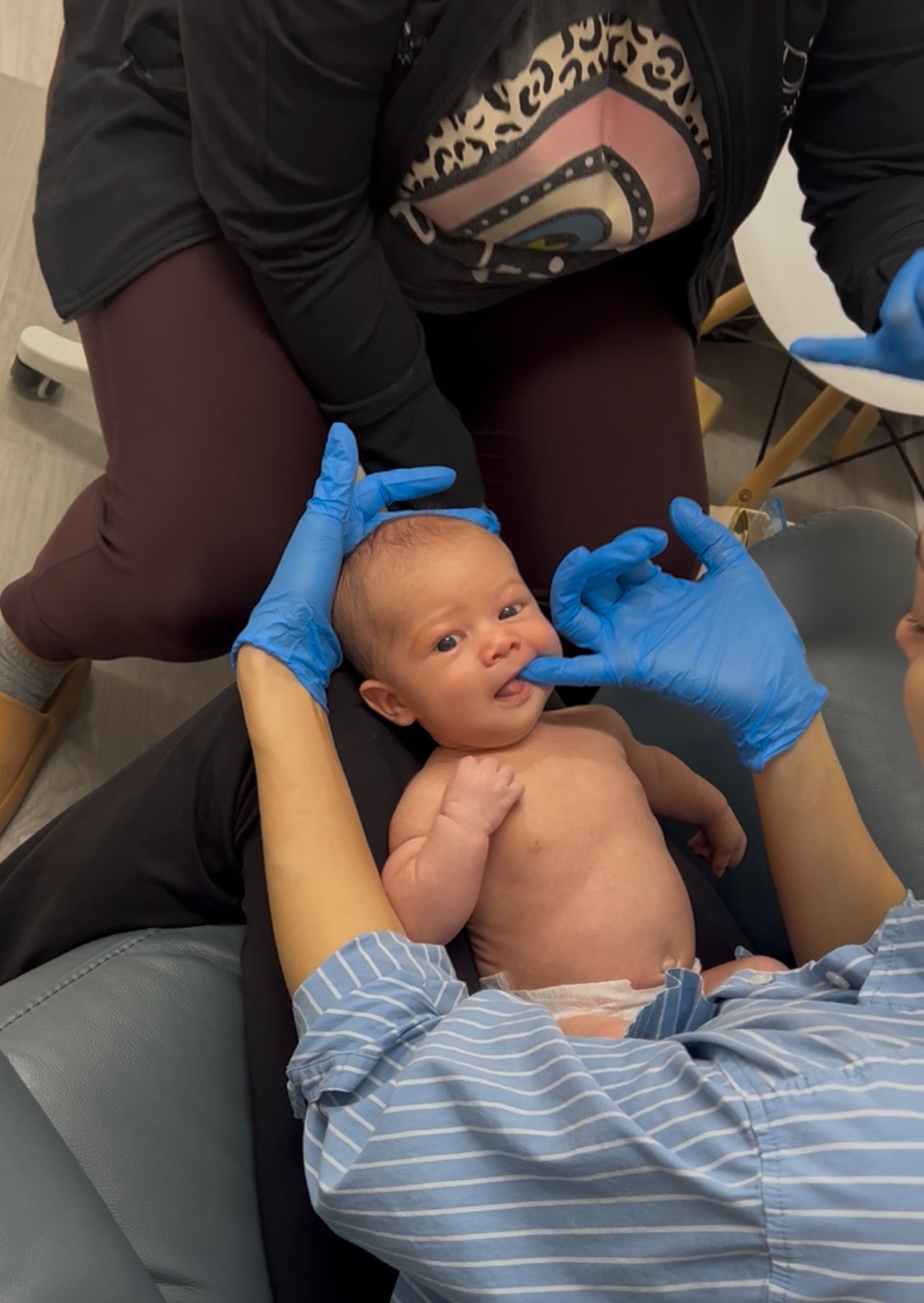
A tongue tie (also called ankyloglossia) occurs when the tissue under a baby’s tongue restricts movement. Tongue ties vary widely in appearance and impact—some are obvious, while others are subtle and only noticeable during feeding.
What matters most is not how a tongue tie looks, but how the tongue functions during feeding.
How Tongue Tie Can Affect Infant Feeding
The tongue plays a critical role in breastfeeding and bottle feeding. When movement is restricted, babies may struggle to latch deeply, maintain suction, or transfer milk efficiently.
Common feeding signs associated with tongue tie include:
Painful or shallow latch
Clicking sounds or milk leakage during feeds
Prolonged or very frequent feeding sessions
Poor milk transfer or slow weight gain
Reflux-like symptoms, gas, or fussiness
Feeding fatigue or falling asleep early while feeding
These signs can occur at the breast, bottle, or both.
Tongue Tie vs. Feeding Tension: Why Assessment Matters
Not all feeding challenges are caused by tongue tie alone. Body tension, oral motor coordination, birth experiences, and nervous system regulation can all influence how a baby feeds.
This is why a comprehensive infant feeding evaluation is so important. Functional assessments look at:
Tongue movement during feeding
Coordination of suck, swallow, and breathe
Jaw and lip function
Head, neck, and body alignment
Baby’s regulation and endurance
Understanding the full picture helps families avoid unnecessary intervention and ensures support is individualized.
Do All Tongue Ties Need to Be Released?
No. Not every tongue tie requires surgical intervention. Some babies compensate well with supportive care, while others benefit from additional intervention.
Decisions are best made when families are supported with:
Skilled lactation support
Oral motor therapy
Gentle bodywork, such as craniosacral therapy
Collaborative care with trusted medical providers
The goal is always to improve feeding function—not to treat anatomy alone.
Supporting Feeding Before and After Tongue Tie Release
When a tongue tie release is recommended, feeding support before and after the procedure is essential.
Pre- and post-support may include:
Preparing oral motor skills
Supporting latch and positioning
Reducing compensatory tension
Helping babies relearn efficient feeding patterns
This supportive care often improves outcomes and helps families feel more confident throughout the process.
Tongue Tie and a Whole-Baby Feeding Approach
At Baby BLISS Feeding Collaborative, tongue tie is addressed within our broader Lactation & Infant Feeding Support in Lake Nona, Orlando, FL care model.
We recognize that feeding success depends on the baby’s body, development, and regulation—not just a single structure. Our collaborative approach allows families to feel supported, informed, and empowered.
Tongue Tie and Infant Feeding Support in Orlando
Families throughout Orlando, Lake Nona, Medical City, and Laureate Park deserve clear, compassionate guidance when navigating tongue tie concerns.
If you are noticing feeding challenges or have questions about tongue tie, expert infant feeding support can help you understand your options.
👉 Schedule an infant feeding or lactation consultation today to receive individualized support tailored to your baby and your family’s goals.
This article supports and links to our pillar page: Lactation & Infant Feeding Support in Lake Nona, Orlando, FL.